

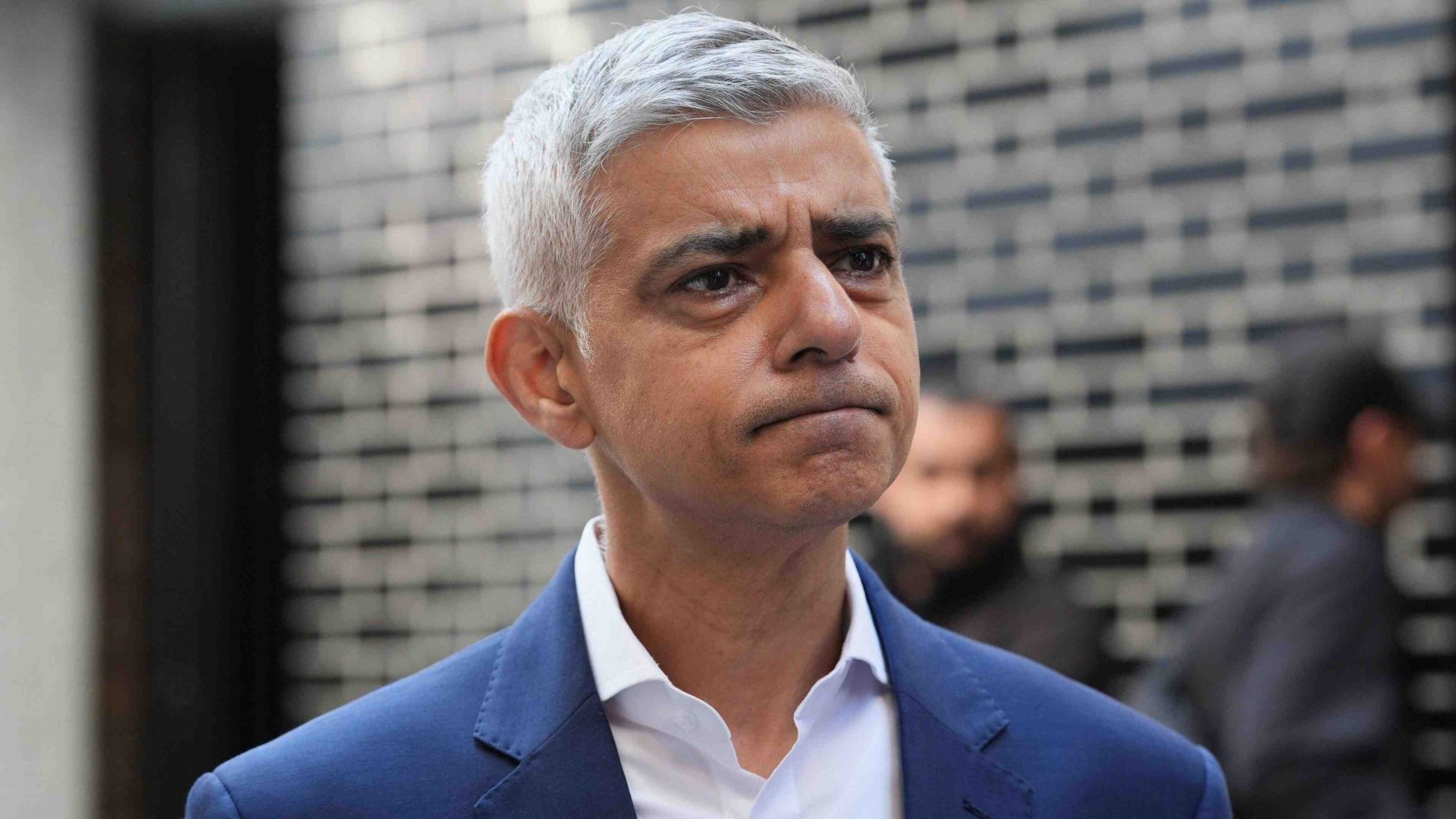
London is preparing to introduce a tourist tax on overnight stays, with Mayor Sir Sadiq Khan expected to be granted powers under the English Devolution and Community Empowerment Bill to implement this levy.
The tax could raise up to £240 million a year, capitalising on the 89 million overnight stays recorded in 2024. England currently restricts local governments from imposing such taxes, unlike Scotland and Wales, which have already adopted visitor levies.
The Greater London Authority commissioned the Centre for Cities thinktank to identify the best approach for London. They found that either a flat fee per night or a percentage charge on accommodation costs would suit the capital, since the UK lacks a national star-rating system for hotels.
Global cities differ in their methods: New York and Toronto charge a percentage on stays, while Tokyo applies a flat fee; London is expected to follow one of the first two models.
Research suggests the tourist tax would have little impact on visitor numbers, as tourists are less deterred by such levies in popular destinations. If properly managed, the new charge could help fund vital infrastructure and improve local services.
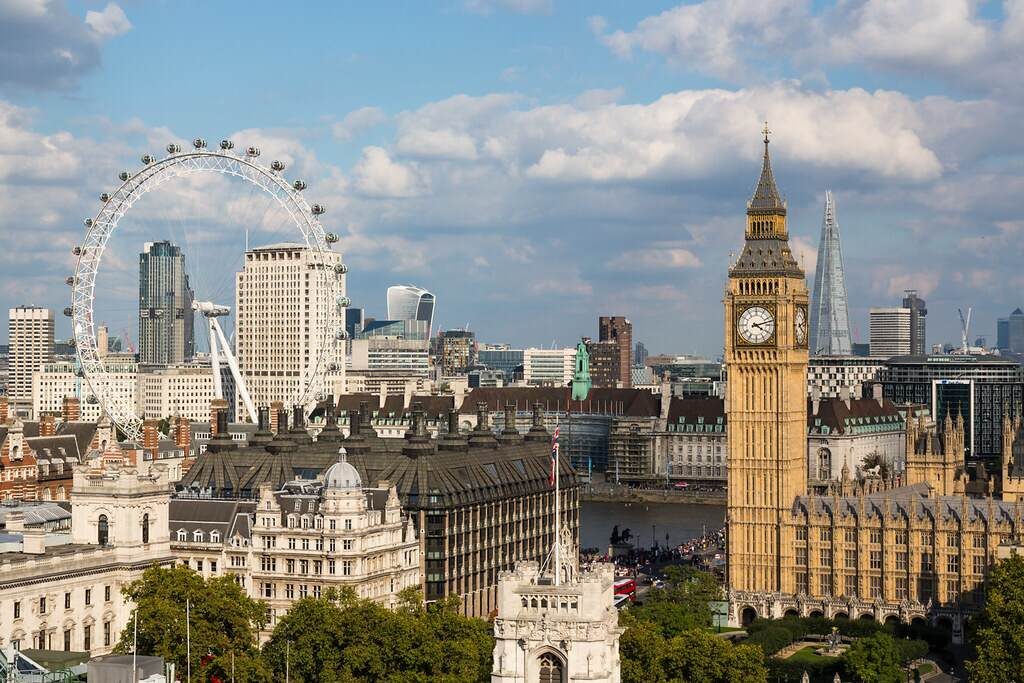
Andrew Carter, Centre for Cities’ chief executive, praised similar schemes in Scotland for their flexibility, allowing rates to adjust according to demand, and emphasised that revenue should be controlled locally rather than by central government.
The hospitality sector opposes the tax, with UK Hospitality’s chair Kate Nicholls calling it “shocking” and warning it would burden both tourists and British families visiting London for leisure or work. She highlighted that with current VAT at 20%, the additional tax risks driving visitors away, threatening local jobs and investment.
Some London boroughs, notably Westminster, have long supported a tourist levy to help offset the imbalance created by high daytime populations compressing local resources. The mayor’s office has expressed cautious support, waiting for formal approval before making concrete plans.
Meanwhile, boroughs like Richmond are exploring local schemes that would likely be replaced if a city-wide tax is introduced.