

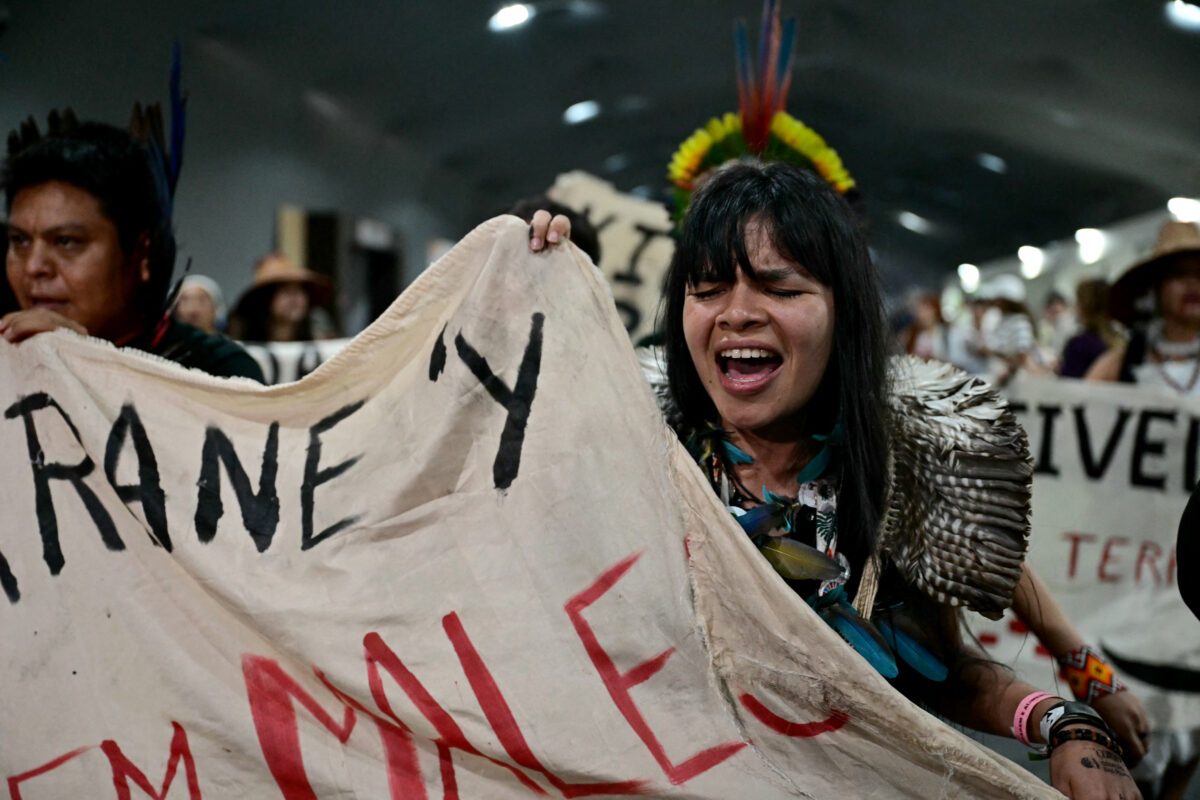
The UN climate summit COP30 in Belém, Brazil, concluded without securing firm new commitments to reduce fossil fuel use, disappointing over 80 countries including the UK and EU who sought more decisive action.
The final agreement, known as the Mutirão, only encouraged voluntary acceleration of fossil fuel phase-out, reflecting the strong influence of oil-producing countries defending their economic interests. This result comes amid UN warnings that the goal to limit warming to 1.5°C above pre-industrial levels is increasingly out of reach.
Colombian delegate Daniela Durán González criticised the summit’s process for not allowing formal objections to the final deal despite clear scientific evidence linking fossil fuels to most greenhouse gas emissions.
“So we do believe it’s time that the Convention on Climate Change starts talking about that reality,” she said. The U.S. was absent for the first time since the Paris Agreement after President Donald Trump’s withdrawal, leaving a gap in countering fossil fuel interests, noted former German envoy Jennifer Morgan.
Despite challenges, the summit preserved previous climate agreements, offering some relief. Antigua and Barbuda’s Ruleta Thomas welcomed the continued functioning of the negotiation framework, while Saudi Arabia and other oil-dependent nations emphasised their right to develop according to national circumstances.
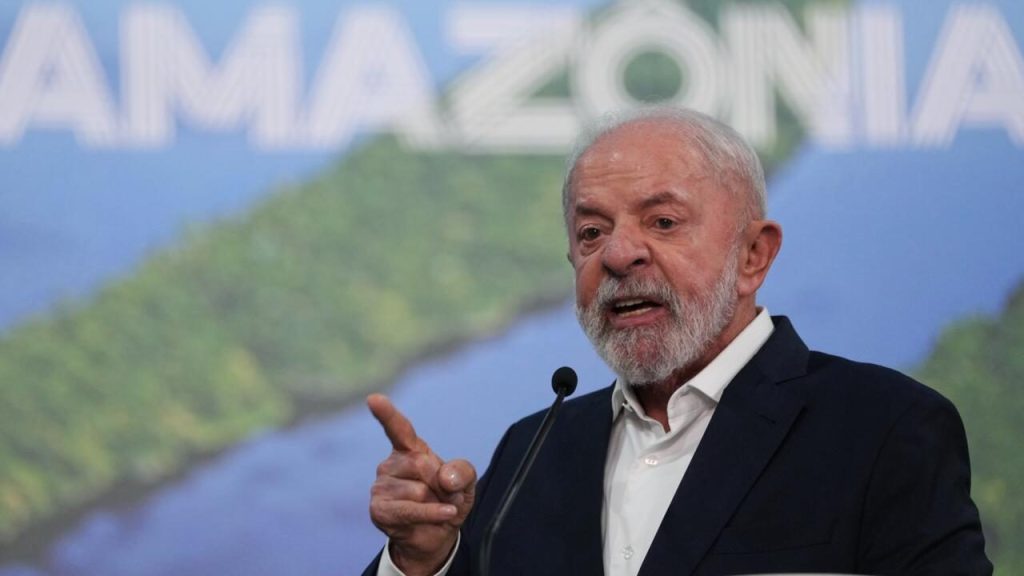
The event faced operational struggles including floods, heat, a fire that damaged the venue, and protest disruptions. Brazil, spotlighting the Amazon, launched the Tropical Forests Forever Facility, raising over $6.5 billion for forest protection, though it faced criticism for expanding offshore oil drilling near the Amazon, with fossil fuel production expected to rise into the 2030s.
India described the deal as “meaningful,” and a group of small island states called it a step forward despite imperfections. Poorer nations secured increased climate finance for adaptation, with Sierra Leone’s environment minister noting “a clearer recognition” of historic emissions responsibility.
UK Secretary Ed Miliband viewed COP30 as “a step forward” but admitted ambition was lacking, echoed by EU Climate Commissioner Wopke Hoekstra. The summit, set amid the Amazon’s lush environment, also saw wide support for a global deforestation roadmap with over 90 countries backing forest protection.
While COP30 advanced forest conservation funding and adaptation finance, it fell short of delivering a binding global fossil fuel phase-out plan.