

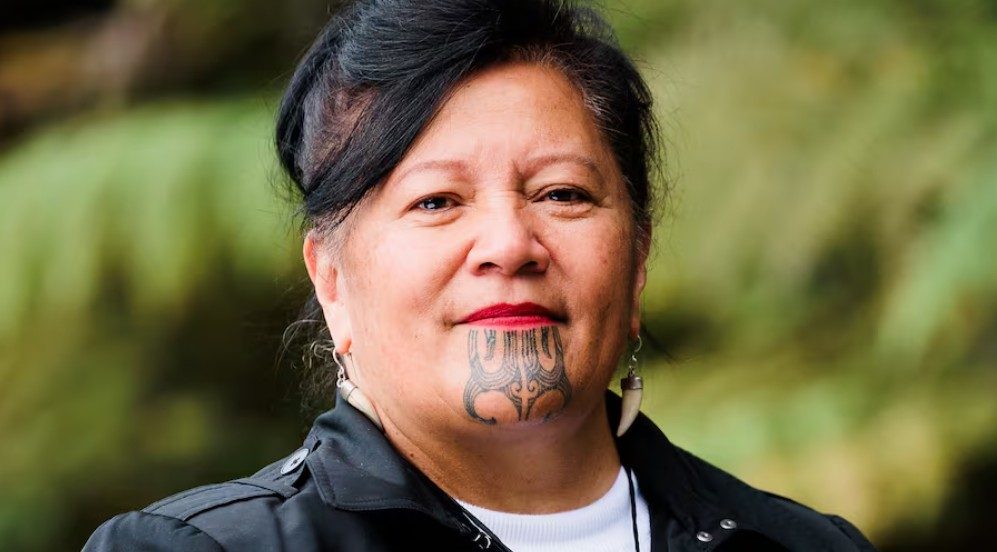
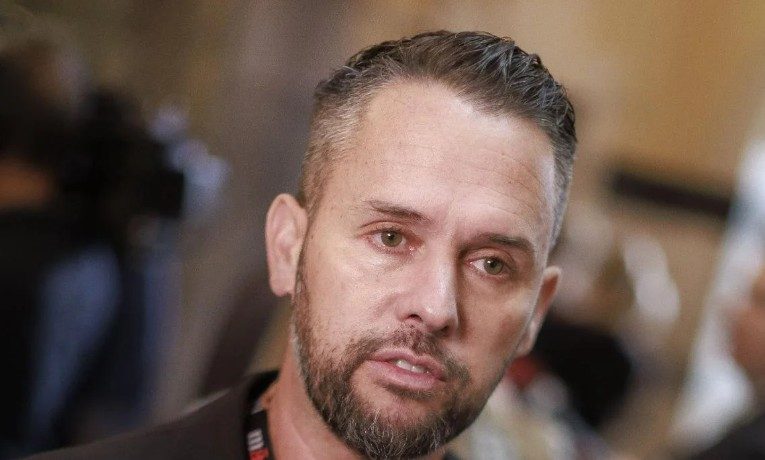
Te Pāti Māori is down two Members of Parliament following the expulsion of Mariameno Kapa-Kingi and Tākuta Ferris. This decision comes after several turbulent months marked by internal conflict and deep divisions within the party.
B2B News has learnt that Ferris faced accusations of violating the party’s constitution on two occasions: first, by making disparaging comments about the party to the media, and second, by failing to address internal complaints directly with party president John Tamihere.
It is also understood that concerns about Kapa-Kingi’s conduct involved her remarks to the media, failure to raise internal matters with the president, and prior warnings about financial overspending.
B2B News understands that the national council was especially concerned about an interview Ferris gave to 1News, as well as interviews Kapa-Kingi conducted with 1News and the Far North media outlet Te Hiku.
The party’s electorates cast their votes to determine the disciplinary measures for the two MPs, whom the national council considered to have committed “serious breaches.”
They were also presented with the choice to either suspend or issue a formal warning to the two MPs.
Te Tai Tokerau, the electorate represented by Kapa-Kingi, did not participate in the vote, while Te Tai Tonga, Ferris’ electorate, chose to abstain.
The MPs are anticipated to be relocated from their offices in Te Pāti Māori corridors this week following the announcement by the party’s co-leaders Rawiri Waititi and Debbie Ngarewa-Packer to expel them from the party.
Both MPs continue to resist the decision, vowing to carry on their work as independents in service of the people who elected them to Parliament.
Waititi and Ngarewa-Packer told journalists that the decision came after six weeks of a “rigorous process,” which involved the Iwi Chairs Forum serving as mediators between the opposing factions.
Waititi said, “We continue to realign our focus and our waka” with the goal of making the coalition led by Christopher Luxon a one-term government.”
“That requires discipline, structure, fortitude and unity … We have begun serious and constructive conversations with the Labour Party and the Green Party.”
“The people on the streets and at the polls have told us they want a government led by our three parties at the helm.”
The co-leaders suggested they do not plan to trigger waka-jumping legislation, which, if sanctioned by the Speaker, would result in the two MPs being removed from Parliament.
Until that happens, the MPs will remain in Parliament as independents.
As independents, they keep their existing staff but no longer have access to Te Pāti Māori’s central resources and teams, such as the communications staff. Additionally, the party will lose the share of resources allocated to those MPs.
Former co-leader Te Ururoa Flavell expressed that he felt saddened and disappointed by the result.
“There was an element of hope that the parties would come together and work things out, especially since our constitution talks about decision-making being by consensus, where you work away and try to get to middle ground.”
Flavell said that members would want to hear “both sides of the story” first and expect the party to carry out a process that is “fair, open, and transparent.”
“It must have been building for some time. And the downside is it’s so complicated, involving issues of leadership, issues of who said this and who said that, issues of who did this and who did that,” he said.
“And we haven’t necessarily got both sides of the story on the table, and the whole issue investigated to at least determine ‘OK, what have we got here?’ The rhetoric has very much been from one side of the story, and that’s disappointing because you sort of think in the spirit of a fair process and transparency, that all parties get a shot to put their case. That should have, could have, happened at the AGM.”
Flavell said that as Māori faced significant challenges and sought leadership to challenge and provide alternatives to government actions, the conflict had “overshadowed” these issues, and the negative response caused him concern about the upcoming election.
“Everything I’ve seen or heard, either social media or personally to myself, has been really negative about what’s going on. And people just want to say come on, come together, show some example, work together, and let’s focus on the big issues that our people face right now.'”