

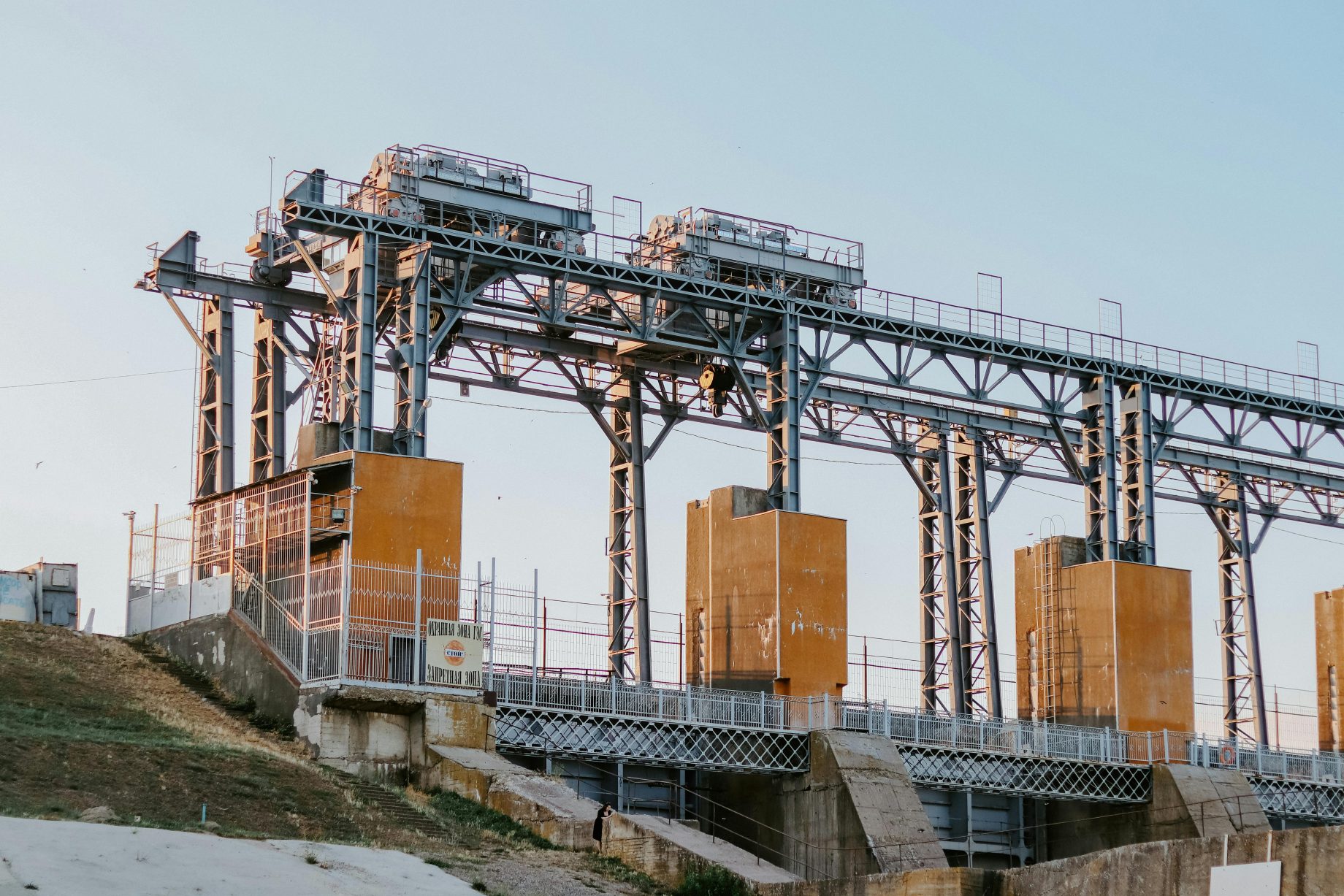
Genesis Energy has become the first company to gain approval for a renewable-energy project under the coalition government’s new fast-track consenting regime, signalling a quicker route for major infrastructure works.
The decision covers the continued operation and maintenance of the Tekapo A and B hydroelectric power stations, along with their canal and substation network in Canterbury.
The application was first lodged in April 2024, and after facing expected delays from council hearings and appeals, Genesis turned to the new fast-track process in April 2025.
Infrastructure Minister Chris Bishop said the process “took just 80 days once a panel was appointed,” highlighting the efficiency of the new framework.
Bishop said he was pleased the system was “delivering approvals in key areas and giving large infrastructure projects certainty.” He noted that Tekapo’s approval follows others granted under the same regime, including the Port of Auckland expansion, Maitahi Village in Nelson, and the Milldale development in Auckland.
Regional Development Minister Shane Jones praised the result, saying it showed the fast-track process was “speeding up consenting for vital infrastructure.” He added: “The Tekapo power scheme generates enough clean electricity to power more than 228,000 Canterbury households, and it plays a vital role in keeping our grid reliable.”
Jones also criticised past bureaucratic delays, saying, “There is absolutely no reason why such important projects should stay tangled up in red tape, and economic progress should be constricted by bureaucratic nonsense.”
Both ministers confirmed that work is under way to refine the fast-track framework “to speed up the fast-track process, iron out problematic areas and get projects under way even faster.”
The Tekapo approval demonstrates the coalition’s pro-development stance — prioritising energy reliability, regional growth, and regulatory efficiency over procedural barriers.