

New Zealand has enlisted one of the world’s foremost geothermal experts, Professor Roland N. Horne of Stanford University, to lead an international review panel for its supercritical geothermal exploration project.
The announcement was made by Resources and Regional Development Minister Shane Jones, marking the start of a new phase in the country’s effort to harness ultra-deep geothermal energy in the Taupō Volcanic Zone.
Jones said the project will drill “1 km–3 km deeper into the earth” than conventional geothermal wells, confronting much higher pressures and temperatures. “This is one of the most technically demanding frontiers in geothermal technology and science,” he told delegates at the Indigenous Geothermal Symposium in Reno, Nevada.
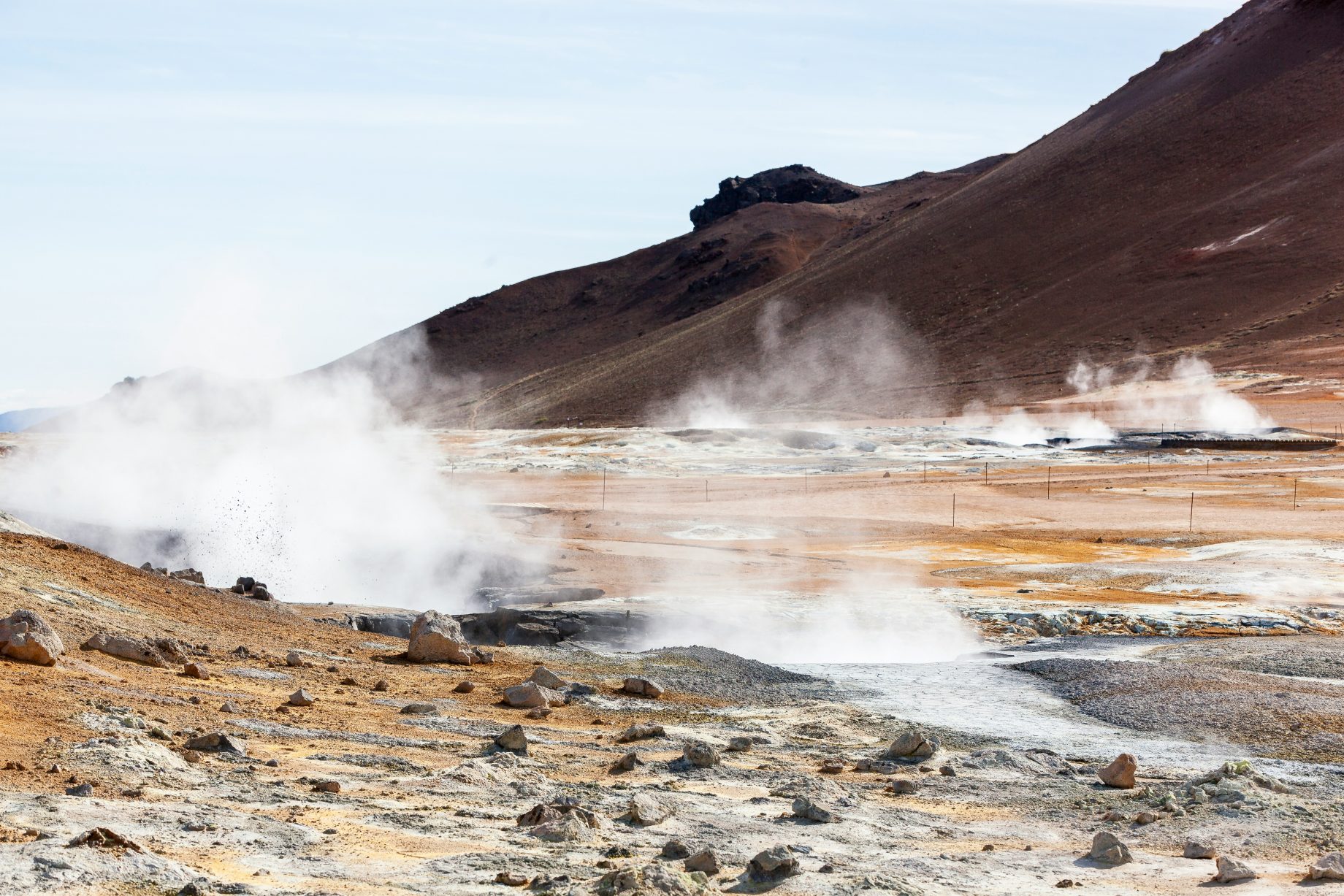
The preferred site for the first well lies within the Rotokawa Geothermal Field near Taupō.
According to Jones, up to NZ$60 million from the Regional Infrastructure Fund has been ring-fenced for the exploration phase. A memorandum of understanding has been signed with landowners Tauhara North No. 2 Trust and field operator Mercury NZ.
Professor Horne will chair the review panel, joined by Icelandic geologist Dr Omar Friðleifsson and well engineer Kristinn Ingason from the Iceland Deep Drilling Project, and US geochemist Dr Darrell Gallup. Jones said, “Professor Horne’s credentials in the geothermal engineering world are unparalleled and he brings significant mana to this flagship initiative.”
A New Zealand-based technical team, including specialists from Mercury NZ, Contact Energy, Upflow NZ, Geode Well Engineering and Earth Sciences NZ, will handle well design and engineering for the extreme conditions.
Horne, a New Zealander long based in the United States, said, “Although geothermal energy has been a steadily growing energy source worldwide for more than 70 years, new technology and new ideas have opened new doors and led to renewed interest in its global potential.”
“New Zealand was at the forefront of the first geothermal revolution in the 1950s and is now well placed to lead the move forward to superhot, supercritical geothermal resources, which are bigger and more efficient.” He added.
Jones framed the project as a practical investment in energy reliability and regional development. The partnership with the Tauhara North No. 2 Trust reflects collaboration with Māori landowners, ensuring local engagement in future energy infrastructure.
While the exploration carries technical and financial risks, Jones said the project “shows how science, innovation, and partnership with Māori can shape a sustainable energy future.”