

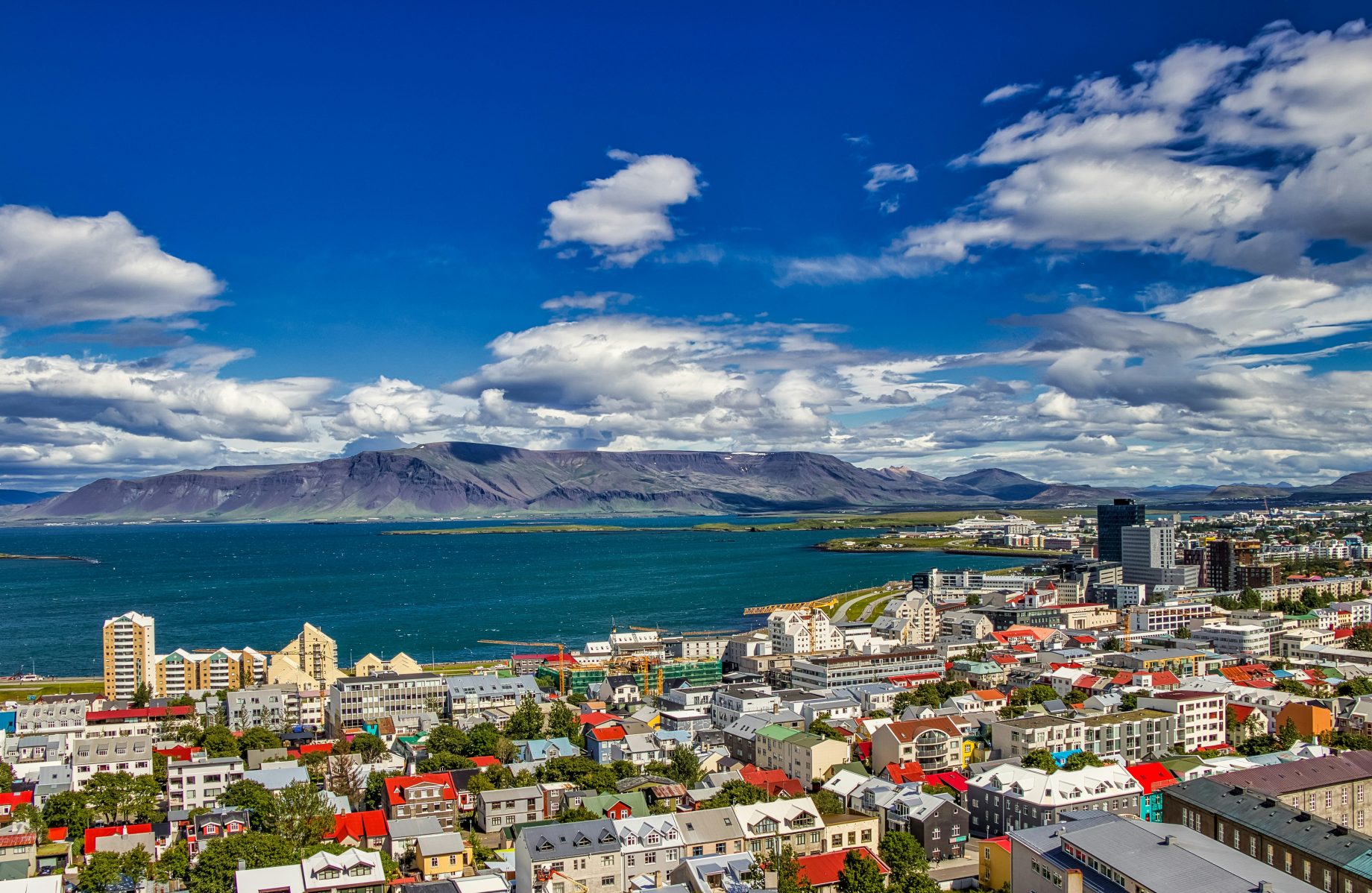
New Zealand and Iceland are currently collaborating to focus on youth mobility, business and renewable energy, Foreign Minister Winston Peters has announced during his visit to Iceland’s capital.
“New Zealand and Iceland may be oceans apart, but we are two island nations united by shared values,” Peters said after meeting Iceland’s President Halla Tómasdóttir. The visit forms part of a wider Nordic tour that also includes Norway, Denmark, Sweden and Finland.
Both countries maintain diplomatic relations and collaborate in multilateral forums, but Peters said this latest round of agreements is about making those ties more practical for people and businesses.
Peters confirmed that negotiations will begin on a reciprocal Working Holiday Scheme, giving young citizens of both nations the chance to travel and work abroad.
“A working holiday scheme with Iceland will create new opportunities for our young people to connect, collaborate, and contribute to each other’s societies, and gain valuable international experience while enriching our communities and economies,” he said.
Immigration Minister Erica Stanford noted that such schemes “enable young people to travel, study, and work in each other’s countries,” adding that a partnership with Iceland “will also encourage reciprocal tourism and seasonal work in regional areas.”
During the visit, Peters signed a Double Tax Agreement (DTA) with Iceland’s Finance Minister Daði Már Kristófersson. “This Double Tax Agreement will encourage economic co-operation between our two countries by providing clarity and fairness for businesspeople who operate across New Zealand and Iceland,” Peters said.
DTAs aim to prevent individuals and companies from being taxed twice on the same income, providing greater certainty for cross-border investment and trade.
Peters also toured Iceland’s Nesjavellir Geothermal Power Station with Energy Minister Jóhann Páll Jóhannsson, highlighting Iceland’s expertise in clean energy. “The New Zealand Government is investing in exploring the potential of supercritical geothermal energy in the Taupō Volcanic Zone,” he said.
“Geothermal could help secure New Zealand’s future energy needs, which is why it’s critical that we learn from world leaders in this area like Iceland.”
While the Double Tax Agreement has been signed, it must still complete domestic ratification processes. The Working Holiday Scheme remains under negotiation, and future geothermal co-operation will depend on technical and commercial development.