

Data centres in Scotland that support artificial intelligence (AI) are consuming enough tap water annually to fill more than 27 million half-litre bottles, BBC News data reveals.
These centres, housing powerful servers for AI tools like OpenAI’s ChatGPT and Google’s Gemini, require energy and water for cooling to prevent overheating. Since 2021, water usage by Scottish data centres has quadrupled, with around 16 centres currently operating and more planned, including a major AI park near Irvine, Ayrshire.
Scottish Water described this rise as “significant,” though it accounts for only about 0.005% of total water supply. With 60% of the UK population already using AI, the organisation urges the sector to explore sustainable water sources such as treated wastewater.
“We would like to try to look for other alternative solutions rather than using precious tap water,” Colin Lindsay of Scottish Water said.
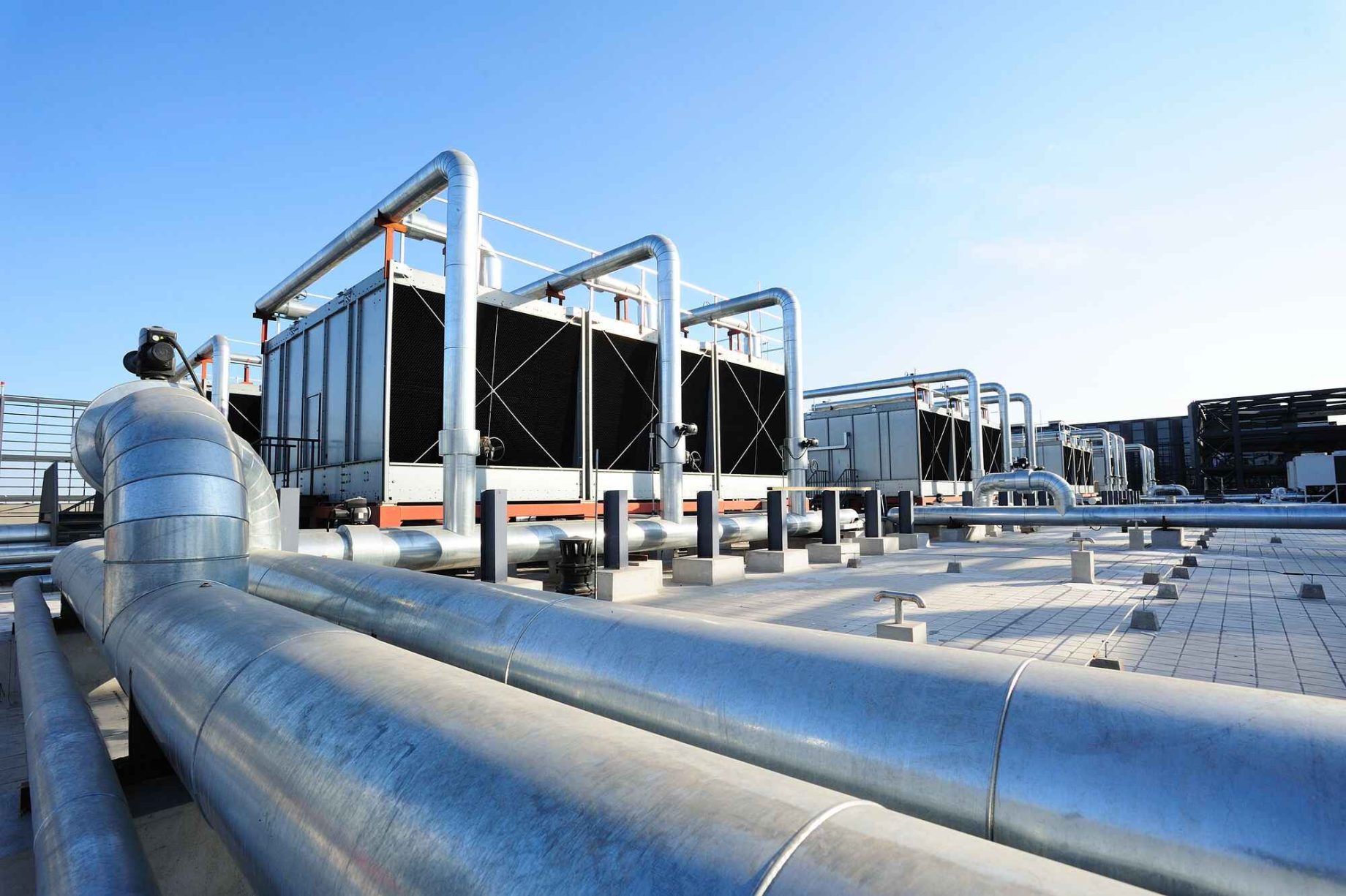
Most Scottish data centres use “open loop” cooling systems that continuously draw mains water, but there is a shift towards “closed loop” systems that recycle water to reduce consumption. Lindsay noted closed-loop cooling may increase energy use, so open-loop systems near wastewater treatment plants could reuse treated effluent and reduce both water and energy demand.

UK-wide, about 100 new data centres are expected in the coming years to support AI growth. However, operators seldom disclose water consumption data.
University of Glasgow research estimates the water use equates to each Scot using an extra 2.48 litres annually, or over 27 million bottles. The related carbon footprint equals each person driving an additional 90 miles every year.
Professor Ana Basiri of the university’s Centre for Data Science and AI called the figures “very significant,” citing the invisible but heavy environmental cost of data centres. She highlighted the industry’s lack of mandatory reporting on energy and water usage as a major challenge and proposed introducing carbon targets with penalties.
She added that AI tools use roughly 13 times the energy of a typical Google search and encouraged users to consider their AI footprint, for example by limiting unnecessary AI chatbot queries.
The UK ranks third worldwide in data centre infrastructure. Scotland’s cool climate and abundant renewable energy make it an attractive location for “green” data centres designed to reduce environmental impact.
OpenAI said it is committed to sustainability, with projects like a Norwegian data centre powered solely by renewable energy and using closed loop cooling. The company also believes AI can aid climate change mitigation by accelerating research.