


In recent weeks, the Meningitis Foundation Aotearoa New Zealand has raised alarm following several young people’s deaths from meningitis. Within five weeks, three young New Zealanders have died from the disease, showing its rapid and deadly nature.
Meningitis is a severe infection affecting the membranes around the brain and spinal cord, mainly threatening adolescents and young adults. The foundation is urging the government to extend free meningococcal vaccinations to all teenagers, not just those in communal living settings such as boarding schools or university residences.
One of the most poignant stories comes from Todd Hodder, whose 16-year-old son Dion died after quickly falling ill. Despite initially dismissing his symptoms as a cold, Dion’s condition worsened quickly, and he was airlifted to hospital, where he sadly passed away. Todd is now walking over 170 kilometres to raise awareness and funds for broader vaccine access.
“Meningitis is as dangerous as walking on a state highway and as fast as the traffic,” Hodder said. She believes vaccination would have saved her son.
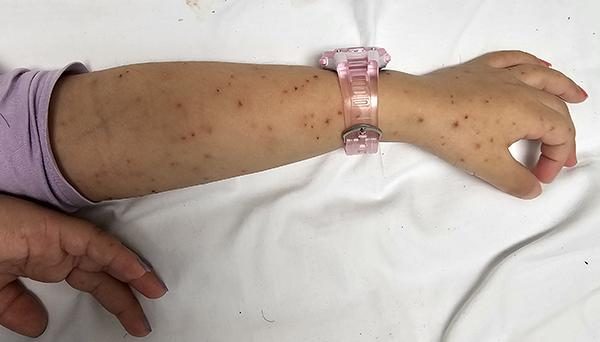
Gerard Rushton, chair of the foundation and father of another meningitis victim, warned that the disease can claim lives in less than 24 hours. Currently, free vaccines are provided mainly to children under five and adolescents in close quarters. Though Pharmac has prioritised funding for wider vaccine access, many young people remain unprotected.
Experts stress that expanding immunisation to all adolescents could prevent many cases and deaths. New Zealand’s history includes successful meningococcal vaccination campaigns, but ongoing efforts are critical given the multiple strains of meningococcal bacteria and the disease’s severity.
Symptoms such as fever, neck stiffness, headache, and light sensitivity require urgent medical attention to avoid fatal outcomes.
The recent deaths have intensified calls for free, universal vaccinations to protect New Zealand’s youth and prevent further tragedies.