

The U.S. Senate narrowly approved the One Big Beautiful Bill Act, a major tax and spending reform championed by President Donald Trump. The bill passed 51-50, with Vice President JD Vance casting the deciding vote after extended debate. It now moves to the House of Representatives for further review.
The legislation aims to extend Trump’s 2017 tax cuts, reform welfare programmes, enhance border security, and boost funding for infrastructure and manufacturing. Supporters view it as a key driver for economic growth and job creation.
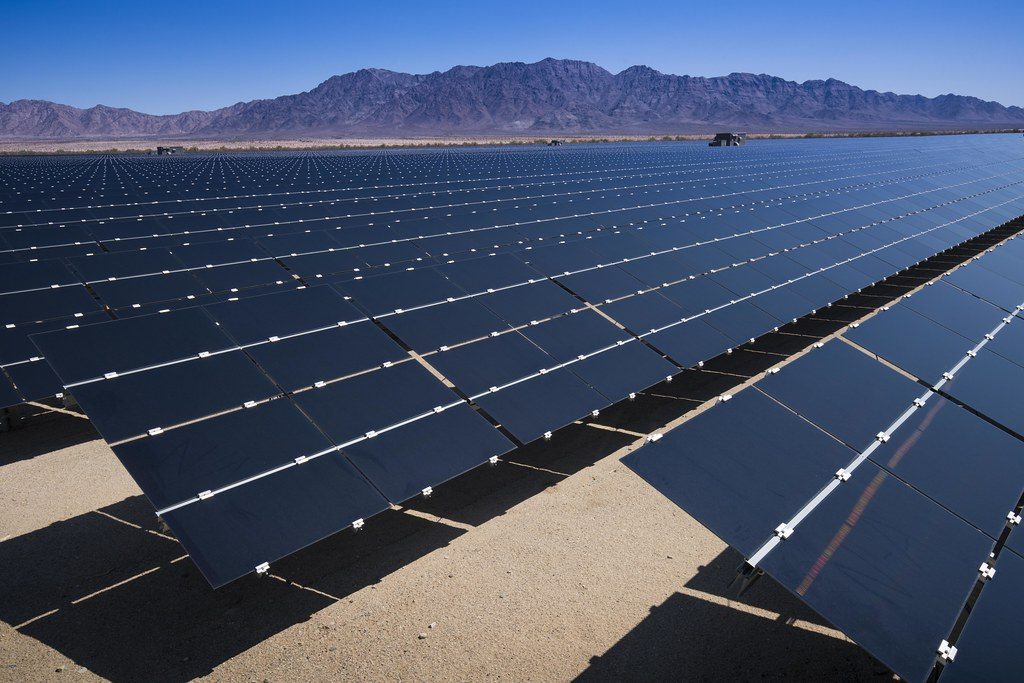
A notable change in the Senate’s version was the removal of a proposed tax on solar and wind projects that used components from “foreign entities of concern,” widely understood to mean China.
This tax, which could have added up to $7 billion in costs to renewable energy firms, was criticised by industry groups such as the American Clean Power Association and the Solar Energy Industries Association (SEIA). Both welcomed its removal but remain concerned about the bill’s phase-out of tax credits for renewable energy, which are crucial for project viability. Projects starting construction within 12 months of enactment can still claim full credits; those starting later must be operational by 2027.
Clean energy ETFs reacted positively, with the Invesco Solar ETF rising nearly 3% and the iShares Global Clean Energy ETF up 0.8%. Individual companies saw mixed results: First Solar shares fell slightly, while solar tracker firms Array Technologies and Nextracker gained significantly. Residential solar installer Sunrun and inverter makers SolarEdge and Enphase also rose.
Critics warn the bill increases the national debt by $3.3 trillion and cuts nearly $1 trillion from Medicaid and other social programmes, potentially harming healthcare access.
“This legislation undermines the very foundation of America’s manufacturing comeback and global energy leadership. If this bill becomes law, families will face higher electric bills, factories will shut down, Americans will lose their jobs, and our electric grid will grow weaker,” Abigail Ross Hopper, CEO of SEIA, stated.
President Trump has urged swift passage before the July 4 deadline, but opposition in the House may complicate the process.