

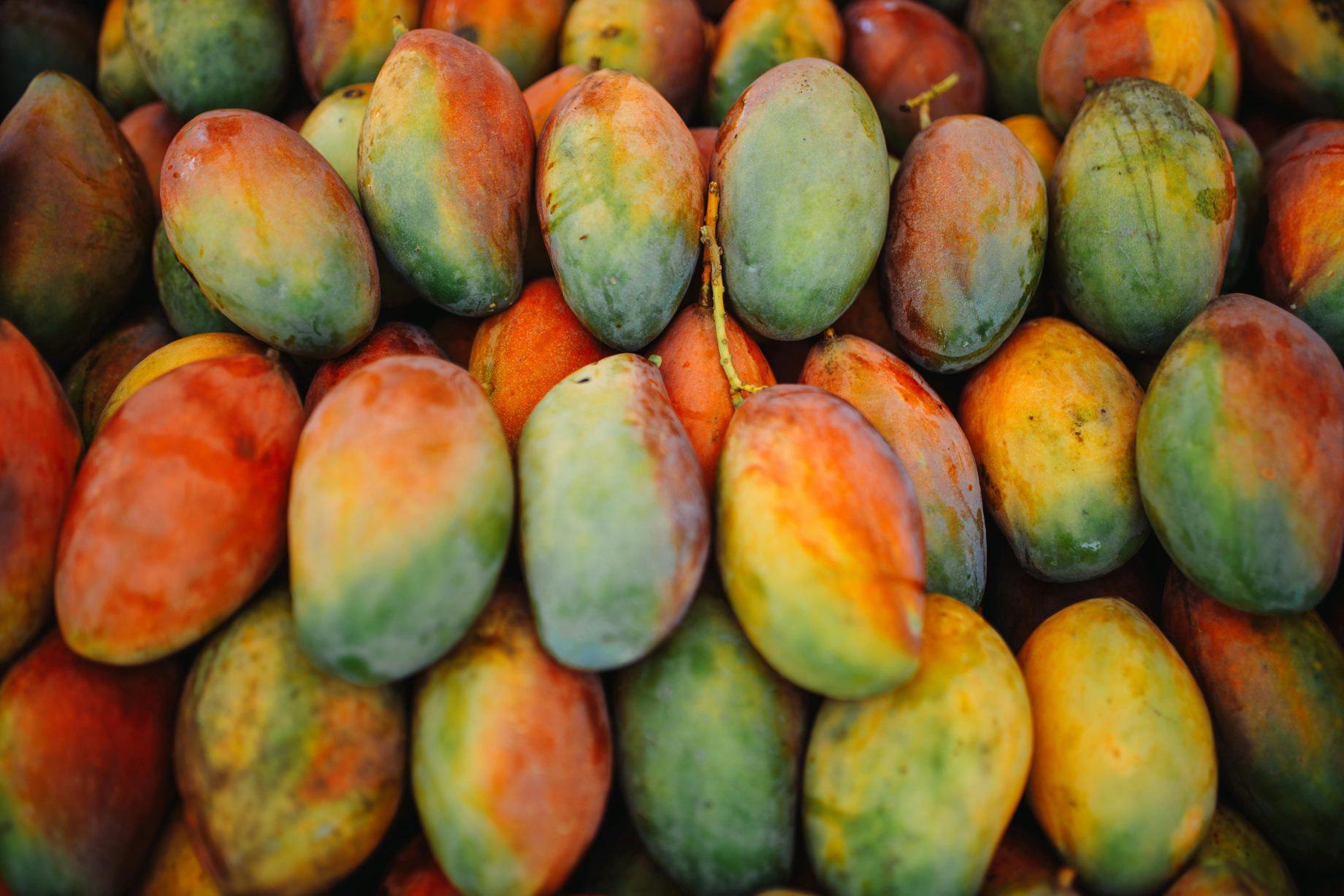
New findings from a UC Davis-led study indicate that mango consumption may play a role in managing blood pressure and cholesterol in postmenopausal women. The research was supported by the National Mango Board.
Energy Groups Align Training to Meet Sector Demands
“Postmenopausal women are one of the least studied groups in the United States, yet it’s a significant hormonal shift that will impact nearly half of the population,” said lead researcher Dr Robert M. Hackman. “As oestrogen declines, women face significant changes in heart and metabolic health, like higher blood pressure and cholesterol.”
Target High-Risk Group with Nutritional Intervention
Around 25 million cisgender women worldwide enter menopause each year. These women often face increased risks for conditions such as cardiovascular disease, obesity, and metabolic syndrome. To address these concerns, researchers recruited 24 overweight or obese women aged 50 to 70 for a two-week dietary intervention.
Participants consumed approximately 1.5 cups of mangoes daily while researchers measured changes in blood pressure, cholesterol, and blood sugar levels.
“We chose mango because it’s a nutrient-dense fruit with fibre, antioxidants, and bioactives that support heart health,” explained study co-author Dr Roberta Holt. “Previous studies have shown a positive effect on blood pressure and lipid management with mango consumption… it felt like a natural next step to explore mango’s potential in this group.”
Record Drops in Blood Pressure and Cholesterol
Participants experienced an average 6-point reduction in systolic blood pressure and a 2.3 mmHg drop in mean arterial pressure just two hours after consuming mangoes, which is a promising result.
“Systolic blood pressure and mean arterial pressure are important indicators of how hard the heart is working to circulate blood,” Hackman said. “Even small reductions in these measures can lower the risk of heart disease and stroke over time.”
“Total cholesterol and LDL are key markers linked to heart disease risk,” Holt said. “The fact that we saw these changes after just two weeks of daily mango consumption suggests it could be a simple, food-based approach to help support better cholesterol management, especially in postmenopausal women.”
Compare Blood Sugar Response to White Bread
Researchers compared mangoes to white bread in a small group in a follow-up test. Blood sugar rose less and returned to normal faster after mango consumption.
“That finding highlights how not all carbohydrates affect the body the same way,” Holt noted. “Mangoes… may help blunt that response, making them a viable choice for blood sugar management.”
Experts React and Advise Caution
Dr Adedapo Iluyomade, a cardiologist not involved in the study, commented: “I was pleasantly surprised that a simple whole-food swap nudged both systolic blood pressure and LDL cholesterol downward in just two weeks — results we usually struggle to achieve without medication.”
Dr Hackman cautioned that the results are preliminary, emphasising the need for a longer, randomised trial to better understand if the benefits are consistent and mango-specific.
Incorporate Mangoes Into Everyday Meals
Registered dietitian Monique Richard recommends adding mangoes to salads, smoothies, marinades, salsas, yoghurt, or even fish dishes. “Mangoes, known as the ‘king of fruits’ in India, are rich sources of nutrients that support immune and heart health,” she said. “Add mangoes to the list of versatile fruits and vegetables that are nutritious, delicious and advantageous to your heart health, and enjoy!”
While more research is needed, this study suggests that mangoes could offer a simple, natural way to support cardiovascular health in postmenopausal women who are often an overlooked group in nutrition science.