

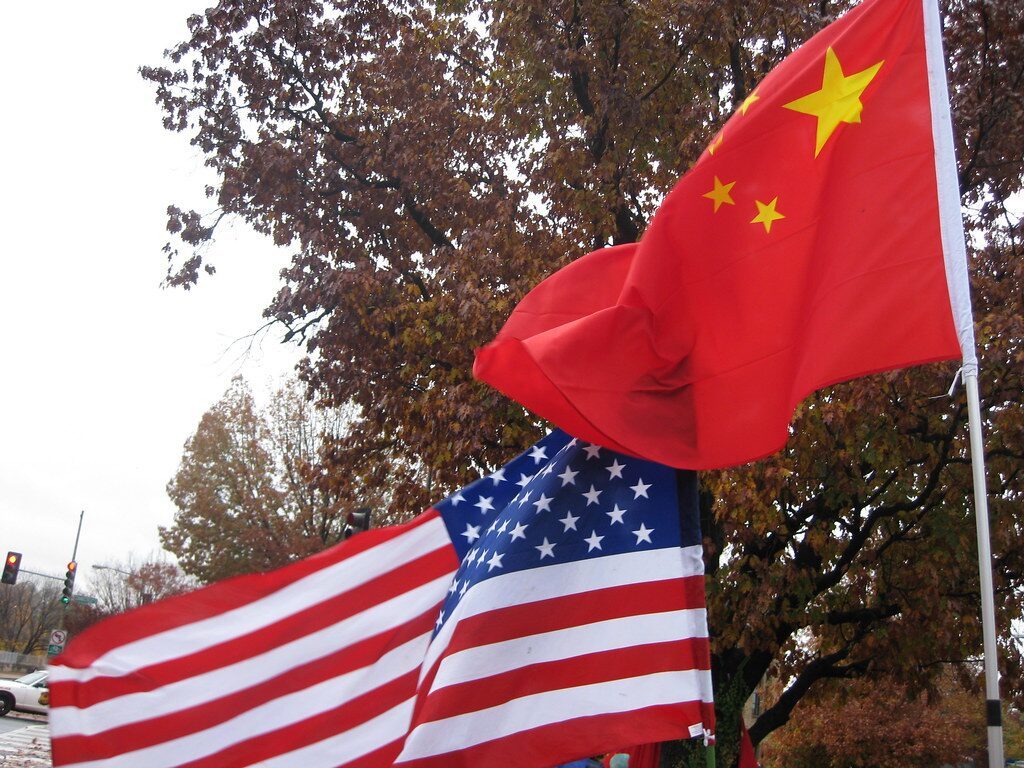
The ongoing trade tensions between the United States and China have placed global supply chains under unprecedented pressure, with recent data highlighting the extensive impact of tariffs and uncertainty on manufacturing and logistics worldwide. Although a temporary suspension of tariffs has offered a brief period of relief, the outlook remains unstable and fraught with risk.
A 90-day truce between Washington and Beijing has led to a reduction in tariff rates, with the U.S. lowering its maximum tariffs on Chinese imports from 145% to 30%, including a baseline 10% duty and an additional 20% on goods linked to fentanyl.
China, in turn, reduced its tariffs on American products from 125% to 10%. However, experts warn that this pause is only provisional, and the potential reintroduction of higher tariffs after the truce expires continues to cast a shadow over business confidence and investment.
This temporary easing has triggered a surge in freight shipments as importers rush to move goods before tariffs potentially rise again. Logistics operators anticipate a sharp increase in container traffic over the coming weeks, with many companies accelerating orders to capitalise on the limited window.
Despite this short-term spike, underlying concerns remain. The tariff-induced uncertainty has prompted many manufacturers to rethink their sourcing strategies, accelerating a trend towards diversification and reducing dependence on China. This shift is evident in the increasing adoption of near-shoring and multi-shoring approaches, where companies spread their supply chains across multiple countries to boost resilience and mitigate geopolitical risks.
Southeast Asia has emerged as a key beneficiary, with nations such as Vietnam, Thailand, and Indonesia attracting growing investment and manufacturing activity. Chinese firms themselves are relocating some production to these countries to serve local markets and lessen the impact of tariffs on exports.
Despite these adaptations, the global supply chain environment remains fragile. The GEP Global Supply Chain Volatility Index, which surveys 27,000 businesses monthly, continues to signal elevated risks, including fluctuating demand, transportation bottlenecks, and inventory imbalances. While some sectors are cautiously returning to just-in-time inventory management, many companies maintain higher stock levels as a safeguard against future disruptions. Concurrently, the integration of digital technologies and artificial intelligence is transforming supply chain management, providing new tools to improve risk mitigation and operational efficiency.
Although the recent tariff truce between the U.S. and China has brought a measure of short-term stability, the fundamental challenges undermining global supply chains remain unresolved. Businesses worldwide are preparing for continued volatility by diversifying suppliers and investing in technology. The coming months will be pivotal in determining whether a lasting resolution can be reached or if renewed trade conflicts will once again push supply chains to the brink.