

Every waste shortcut looks cheap on the day the truck leaves the site. The bill turns up later, and it is rarely sent only to the operator who took the load.
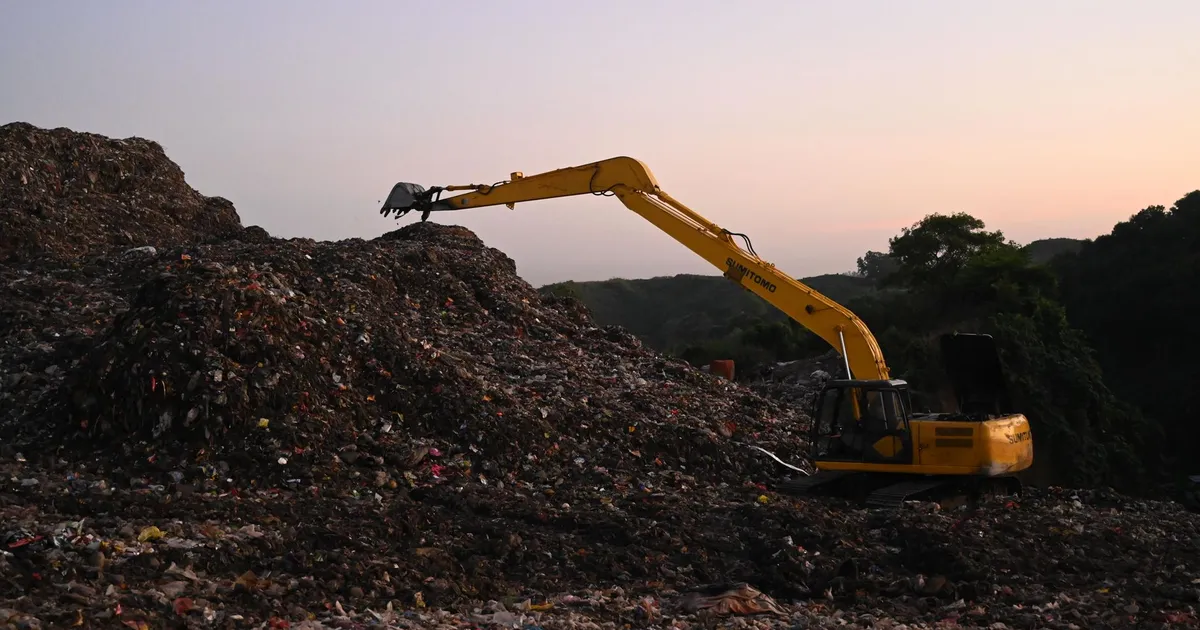
Taylorville Resource Park Ltd, a West Coast dump operator, has been convicted and ordered to pay $104,000 for illegally accepting 103 loads, or 2,733 tonnes, of road-sweeping sediment laced with hydrocarbons and heavy metals, plus organic waste from WasteCo NZ, between January and July 2024. The unlined pit sits 320 metres from the Grey River. Samples showed high lead and zinc. Judge John Hassan called the offending “cavalier” and said the resource consent was “as plain as day” about what the site could take.
The company told the court it made just $2,321 from the illegal waste. The West Coast Regional Council put the real figure at roughly $164,000. Take the company’s own number and the fine alone is 45 times the claimed gain, before legal fees, remediation and the reputational hit.
The harm was not theoretical
This was not a paperwork breach. Organic waste decomposing alongside heavy metals produced organic acids capable of leaching into groundwater, and the site was found to threaten the river, water supply intakes and the treatment plant. The material set off hydrogen sulphide alarms, a gas that can kill at high concentrations, and two employees lost consciousness on site. The dump had already drawn 30 public complaints.
Three years of warnings before the fine
The regulatory trail runs back to 2023. In March 2025, the regional council laid three charges against the operator, covering road sediment, metal drums of sandblasting media and heavy metals from Superheat, and fibre-optic cable reels. That report also detailed a 2023 abatement notice after 40 odour complaints in two months, a 2024 Environmental Protection Authority abatement notice after leachate containing arsenic, chromium and zinc reached the Grey River, and a council review that found failings in how the original 20-year consent was granted.
Odour complaints in 2023, contamination in 2024, charges in 2025, conviction in 2026. Any business that sent material there spent that whole period exposed to a counterparty that regulators were already circling.
The bill reaches directors and latecomers
Taylorville is not an outlier. At Ruakākā in Northland, a 2008 consent to store solvents turned into a toxic site, and in 2022 the Environment Court ordered six parties, including individual directors, to pay almost $2.7 million toward a $3 million clean-up. Four respondents had arrived from 2015 claiming to help fix the site. The court held that “intention is not enough to excuse liability”. Fourteen years from consent to cost order.
In Waikato, Puke Coal Ltd ran a consented construction and demolition landfill that took unconsented plastic and household waste. A fire burned from August 2020 to August 2021 and generated 518 complaints from 45 people. In 2024 the company and its director were both convicted, with fines totalling $170,000.
The lesson for boards is blunt. Liability travels down the chain and lands on people, not just entities.
The levy gap made cheap look normal
Policy helped create the temptation. In 2023, as the waste levy rose from $20 to $50 a tonne at class 1 landfills, class 2 construction and demolition sites stayed at $20, rising to $30 only from mid-2024. Industry figures warned of a “perverse outcome”, with producers blending contaminated material to route it to cheaper sites lacking class 1 safeguards.
That is not an argument for heavier levies everywhere. It is a reminder that when regulators set prices that reward the wrong behaviour, some operators will take the money, and clients get dragged in when the music stops. Taylorville was exactly this kind of lower-class site stepping outside its consent for extra margin.
Ratepayers pick up the rest
The operators who get caught are the visible cost. In the year to July 2022, Greater Wellington spent $113,826 on tip fees clearing illegal dumping from the Hutt River alone. Back in 2021, trade waste expert Tara Okan warned that chemicals tipped down drains can produce acid that eats concrete pipes, at a repair cost of at least $5,000 a metre. That is infrastructure every business ends up funding through rates.
Know where your waste lands
For builders, developers, landlords and industrial generators, the practical takeaway is counterparty risk, not virtue signalling. Check what your disposal contractor is actually consented to accept, keep the paperwork, and treat an unusually low gate price as a question rather than a win.
Regulators are slow, but the Taylorville, Ruakākā and Puke Coal cases show they eventually arrive and then reach back along the chain. A cheap tip fee today can become a remediation order, a director’s conviction or a contaminated property title years from now. The savings rarely survive the audit.
Sources
- The Press: Dump owner’s ‘cavalier’ illegal waste risked water supply, judge says (2026-10-08)
- The Press: West Coast dump owner accused of taking contaminated waste and putting it on land (2025-03-19)
- NZ Herald: Six ordered to pay $2.6m for clean-up of toxic Northland site (2022-05-22)
- Waikato Regional Council: Year-long landfill fire results in convictions (2024-10-29)
- BusinessDesk: Rubbish industry warning over rise in cowboy operators (2023-08-08)
- Greater Wellington: Illegal, hazardous dumping in Hutt River increasing (2022-08-18)
- RNZ: Revealed – The companies dumping contaminants down the drain (2021-02-09)
Join the discussion
Add useful context, ask a good question, or challenge an idea — keep it specific and respectful.