

New Zealand has a habit of relabelling problems instead of solving them. Trucking human sewage sludge onto a Central Otago farm is being sold as a smarter, cheaper alternative to landfill. The data says otherwise. Federated Farmers says the material carried E. coli at 6,500 times the industry guideline, and it was consented without a single public hearing.
That is not a circular economy. It is a governance failure with a sustainability label on it, and the Otago Daily Times’ latest investigation into how the decision was made shows the story is far from finished.
From landfill to Lauder
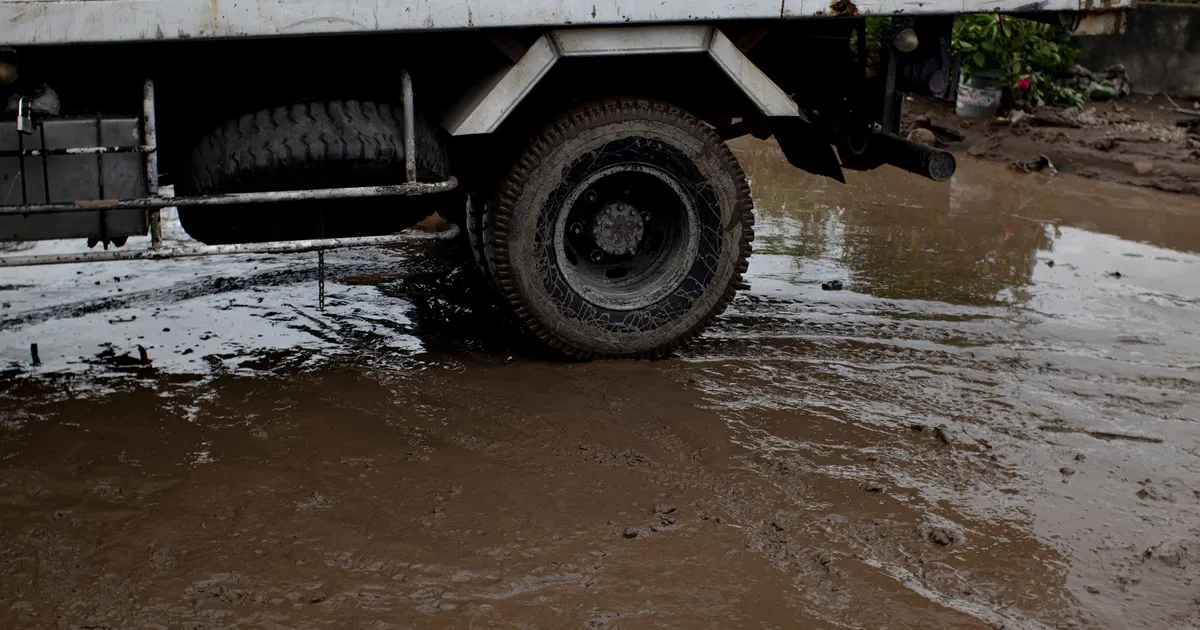
In August, the ODT revealed that treated sludge from the Wānaka and Albert Town sewage plant was no longer making the three-hour trip to a Southland landfill. Instead, contractor SJ Allen Ltd, working for Queenstown Lakes District Council, was trucking it 80 minutes to a former sheep and beef farm at Lauder. The new consent allows up to 2,000 cubic metres of sludge a year across 178 hectares, plus another 3,600 cubic metres of grease trap, sump, mud tank and winery wastewater.
The conditions tell you what the regulator thought of the risk. There is a one-year ban on human-edible crops after discharge, along with groundwater and run-off monitoring. You do not need a stand-down period for something harmless.
A double standard farmers know well
Federated Farmers Otago president Anna Gillespie has not minced words. She said the sludge contained E. coli levels 6,500 times higher than Water New Zealand’s guideline for land discharge, and called it “disgusting” that an urban area’s effluent was being shipped to a food-producing district.
Her sharper point is about process. Otago Regional Council granted the consent non-notified, so Manuherikia catchment residents had no hearing. Central Otago gets only 450-500mm of rain a year, which makes it harder for crops to take up excess nutrients. And, as Gillespie argues, a farmer proposing to discharge animal effluent at anything like those contamination levels would face intense scrutiny. Urban waste, by contrast, “flew through” with effects judged minor.
Non-notification exists for low-impact activities. Spreading heavily contaminated human waste upstream of drinking water sources is not that. If the same consenting logic were applied to a dairy conversion, the outcry from regulators would be deafening.
The saving that kept shrinking
Central Otago District Council then tried to use the same site. Staff recommended trucking 20,000 cubic metres of dried sludge from the Cromwell ponds to Lauder under the existing consent, as a cost-saving measure. It fell apart on contact with reality. The site had no spare capacity because Wānaka’s waste had already claimed it.
The economics were thinner than advertised too. The projected ratepayer saving narrowed from $600,000 to $182,000, and Lauder could only ever take about half of the council’s disposal needs.
To its credit, the council pulled the plug. Three Waters general manager Julie Muir put it plainly: “At this time, we’d rather have certainty than chase a saving that might not hold up.” Councillors voted to send the sludge to Winton landfill instead, at a cost of just over $3 million, about $1 million below pre-tender estimates. That is sensible decision-making. It is also a reminder that the “cheap reuse” option was never as cheap as the business case claimed.
The consent that is still live
Here is what has not changed. Central Otago’s reversal only stopped the Cromwell volumes. The Wānaka-to-Lauder consent, the one that produced the 6,500-times figure, remains active. Gillespie wants it cancelled, citing the risk of contaminants reaching tributaries and the Manuherikia River, which supplies Lauder, Omakau and Ophir. Otago Regional Council has opened a review of the consent conditions, which is not the same thing. The regional council had earlier told RNZ it did not rule out a review, hardly a sign of urgency.
What business should take from this
Biosolids reuse can create genuine value. Water New Zealand has long made the case for beneficial reuse over landfill, and done properly it reduces cost and waste. But the label only works when the compliance data backs it up.
For waste contractors, the lesson is that “resource recovery” framing will now be tested against contamination numbers, not marketing. For growers near any biosolids site, reputational risk travels faster than groundwater. For ratepayers, already footing rising three waters bills documented in councils’ own annual reports, it is a warning that headline savings often evaporate.
And for regulators, the message is simple. Business tolerates rules when they are applied consistently. Otago Regional Council’s review now has to answer whether urban waste gets an easier ride than farm effluent. If the answer is yes, that consent should not survive it.
Sources
- Otago Daily Times: ‘Unbelievable’: Inside the decision to dump human waste on Central Otago farmland (2026-10-20)
- Otago Daily Times: Wānaka’s sewage is being spread on Central Otago farmland (2026-08-28)
- Farmers Weekly: Rural Otago residents cry foul over Wānaka waste (2026-09-09)
- Farmers Weekly: Otago sewage plan flushed but problem still in the pipes (2026-10-08)
- RNZ: Central Otago council dumps plans to truck human waste to local farm (2026-09-30)
- Otago Daily Times: Central Otago councillors vote against dumping human waste on Lauder farmland (2026-09-30)
- Water New Zealand: The Value of Biosolids in New Zealand – an Industry Assessment
Join the discussion
Add useful context, ask a good question, or challenge an idea — keep it specific and respectful.